Dr. Johan Vellekoop
Johan.vellekoop@kuleuven.be
KU Leuven & VUB
Saturday, 30th of November 2019 (11:00-11:30) at the international symposium on Chalk & Flint
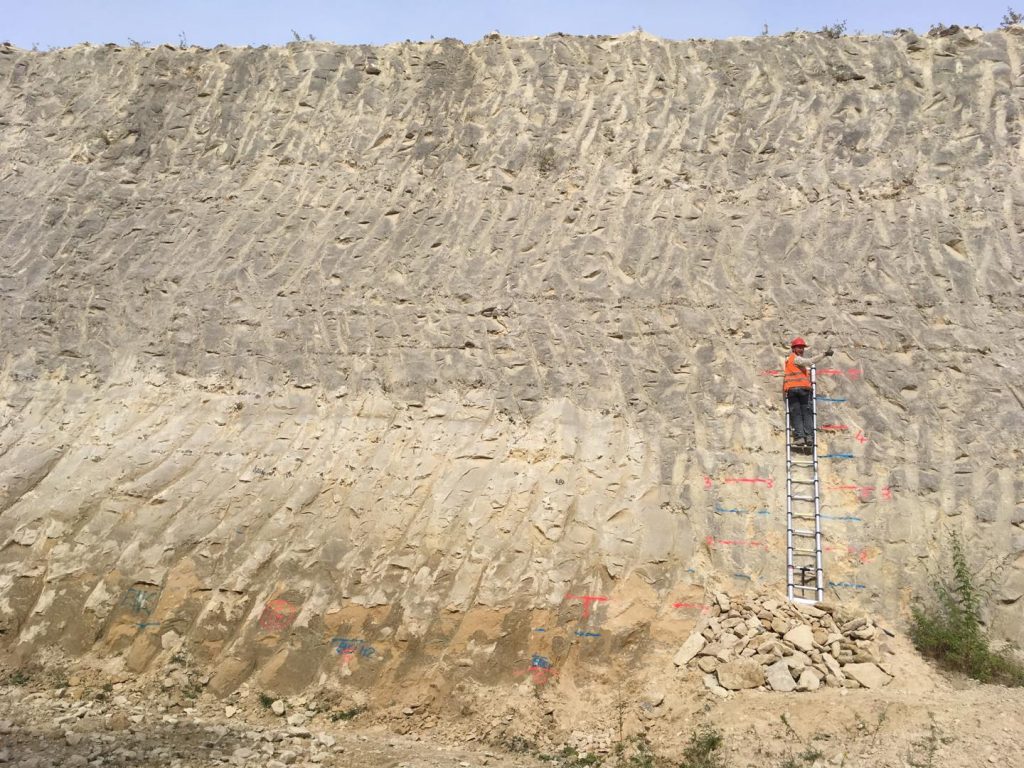
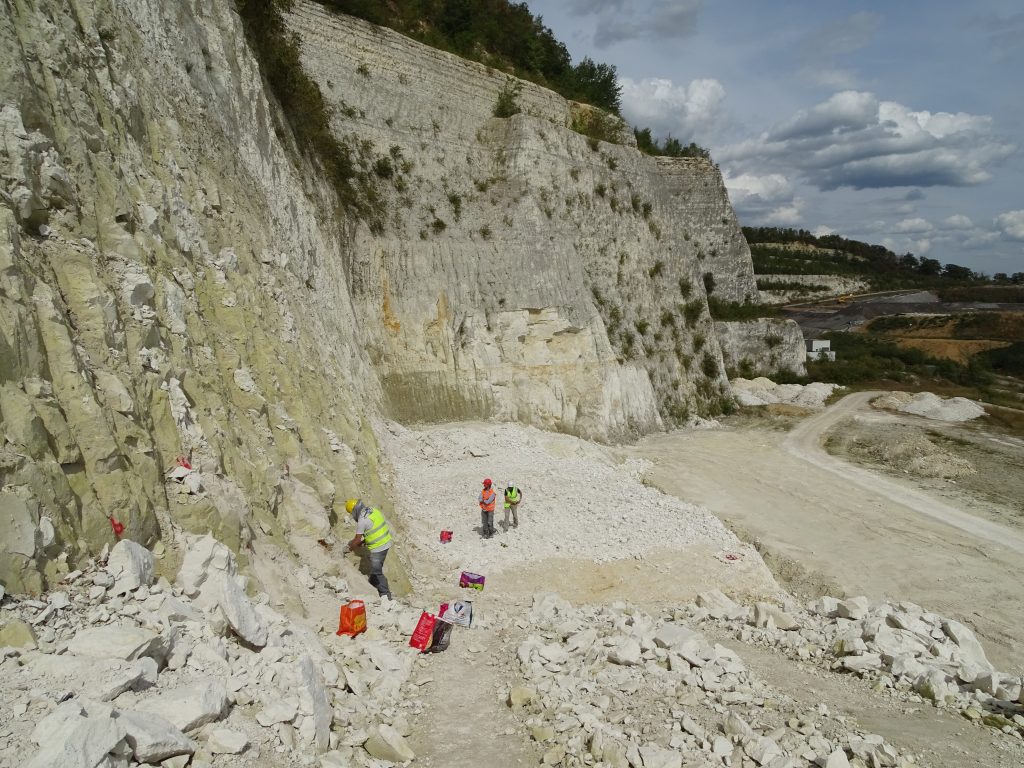
Worldwide, the youngest time interval of the Cretaceous Period is known as the Maastrichtian, a reference to the rock layers exposed in the area surrounding the city of Maastricht, in the Netherlands-Belgium border region. We owe this international reference to the instrumental work of Belgian geologist André Hubert Dumont, who, in 1849, first described the rock layers in the valley of the Meuse River, close to the present-day ENCI quarry. Consequently, the rock sequence in the ENCI quarry constitutes the original type-locality of the Maastrichtian. While the rock succession in the ENCI quarry only covers the upper part of the currently defined Maastrichtian Stage, in combination with similar rock sequences in several other quarries in the area around Maastricht in the Netherlands and Belgium, nearly the entire Maastrichtian Stage is represented.
Despite the importance of the rocks exposed around Maastricht to the global geological community, over the last few decades, instrumental quarries such as those of Curfs, Blom and ENCI have been decommissioned. As soft limestone rocks weather easily and become overgrown rapidly, access to and study of the Maastrichtian rock succession in its type area is becoming very limited.
To preserve the geological heritage of this original type-locality of the Maastrichtian, Johan started up the “Maastrichtian Geoheritage Project”, a collaboration between researchers from KU Leuven, VUB, the University of Maastricht and the Natural History Museum of Maastricht. The goal this project is to preserve the geological heritage of the Maastrichtian type area by (1) digital imagery, using drone photogrammetry and Differential GPS Base & Rover to generate high-resolution and georeferenced 3D models of the most important quarries in the Maastrichtian type region; and (2) archiving rock samples of these quarries for future research. So far two quarries have already been imaged, logged and sampled; the Hallembaye quarry in 2018 and the ENCI quarry in 2019. The wealth of new image and sample material secures the possibility to perform geological research on the type Maastrichtian, for decades to come. Over the past two years, the first preliminary geochemical and micropaleontological studies have already been performed.
In his presentation at the international symposium on Chalk & Flint, Johan will provide a short background of the project, present the first geochemical and paleontological results, and give an outlook on the future of the project.