Dr. Eric Mulder
e.mulder@wonderryck.nl
Natura Docet Wonderryck Twente
Saturday, 30th of November 2019 (12:15-12:45) at the international symposium on Chalk & Flint
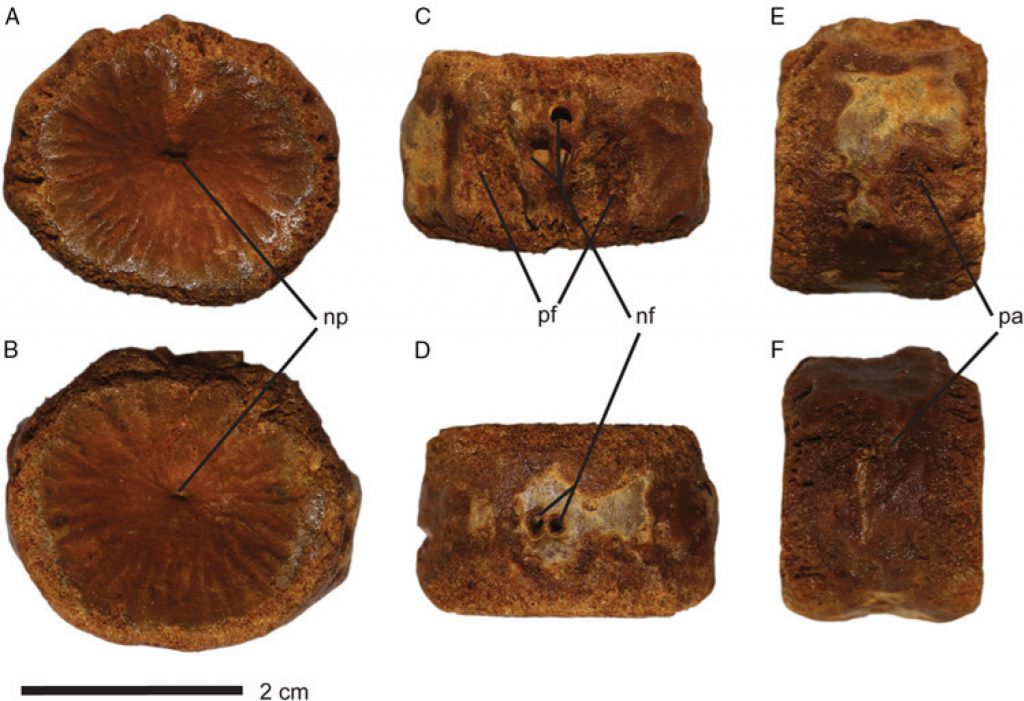
The Late Cretaceous sediments around the city of Maastricht document an epicontinental shallow sea containing a newly developed sea grass community. This ecosystem yielded favourable conditions for the turtle Allopleuron hofmanni and for the large-bodied mosasaurs, considered to be ambush predators. Occasionally, elasmosaurid plesiosaurs and the sea-going crocodile Thoracosaurus swept in, perhaps as floating carcasses.
Viewed on broad, global scale, it can be concluded, that at the end of the Mesozoic, the palaeo-environments of the “Maastrichtian type area” (with deposition of limestone in a reefal environment) and on the Atlantic foreshores of New Jersey (with deposition of muddy glauconite bottoms) were clearly different. This may explain the fact that the mosasaurs in the areas compared are conspecific. Mosasaurus hoffmannii was present at both sides of the proto-Atlantic Ocean. On the other hand: Allopleuron was endemic to the “Maastricht sea”.
Looking at a smaller scale on species level, it is clear, that Allopleuron hofmanni is a peculiar turtle. At first, it was neglected by the scientific world, because it could not compete with the mosasaur, considered to be more spectacular. Later on, it turned out to be more challenging: was its nature comparable to the extant leatherback or to the green turtle?
Pathology is a phenomenon throughout the history of life, thus also in turtles and mosasaurs. But in some mosasaur specimens, remarkable diseases can be observed: they are not infectious, but idiopathic. They occurred in the mosasaur vertebral column, caused back pain and can be linked to their way of movement. In that respect mosasaurs resembled us!
In his presentation at the international symposium on Chalk & Flint, Eric will portray the marine tetrapod fauna of the type-Maastrichtian, discuss what we can learn from this assemblage, on both a global and local scale, and reveal a recent new find of a rare plesiosaur…